Blog

The Complete Guide to Choosing a 900mm Rangehood for High-Heat Cooking

Blog

The Complete Guide to Choosing a 900mm Rangehood for High-Heat Cooking

on Jun 16 2026
The kitchen is the heart of the modern home, a place where culinary creativity comes to life and families gather. But if your cooking style involves high heat, sizzling woks, and oil-intensive dishes, your kitchen can quickly become overwhelmed by lingering smoke, airborne grease, and stubborn cooking odours. For discerning homeowners and renovators, a 900mm rangehood isn’t just an appliance; it’s an essential tool for maintaining a pristine home environment and protecting your family’s health. In this comprehensive guide, we will explore everything you need to know about choosing the perfect 900mm rangehood, why traditional European models often fall short for Asian cooking, and what features you should prioritise for a truly uncompromising kitchen experience. Why a 900mm Rangehood is the Gold Standard for Modern Kitchens When planning a kitchen renovation, the size of your rangehood matters. A 900mm rangehood has become the gold standard in premium Australian kitchen design for several crucial reasons: Optimal Capture Area: A 900mm canopy provides exceptional coverage, perfectly complementing both standard 60cm and larger 900mm cooktops. This wider capture area ensures that fumes from corner burners, often used for wok cooking, are completely intercepted before they can escape into your living space. Visual Impact: In open-plan designs, a beautifully crafted 900mm rangehood acts as a stunning architectural focal point, communicating a sense of premium luxury and culinary seriousness. Multi-Zone Cooking: For families cooking multiple dishes simultaneously, the expansive width allows for multi-zone fume extraction, ensuring no pot or pan is left without adequate ventilation. The European vs. Asian Appliance Divide: What You Need to Know A common pitfall in high-end kitchen renovations is assuming that a luxury price tag guarantees universal performance. Many homeowners invest heavily in premium European brands, such as Miele, Bosch, or Smeg, only to discover that these appliances are fundamentally engineered for a different style of cooking. European cooking traditionally leans heavily on baking, simmering, and boiling. Consequently, European rangehoods are designed to handle lighter steam and minimal grease. The High-Heat Challenge Asian cuisine, particularly wok stir-frying, deep-frying, and high-temperature searing, creates heavy, oil-laden smoke that moves rapidly. When subjected to this intensity, European rangehoods frequently underperform: Insufficient Suction: Fumes escape the capture zone, settling on premium cabinetry and open-plan furniture. Filter Clogging: Mesh filters quickly become saturated with heavy grease, reducing airflow and creating a tedious cleaning nightmare. Motor Strain: Motors not designed to separate heavy grease from air quickly lose efficiency and become overwhelmingly loud. For Asian-Australian households, or any home chef who enjoys vigorous, high-heat cooking, a purpose-built, highly engineered solution is required, one that combines European aesthetic polish with the raw, uncompromising performance needed for intense cooking. Key Features to Look for in a Premium 900mm Rangehood To ensure your kitchen remains a clean, welcoming, and healthy space, look for the following technological capabilities when evaluating a 900mm rangehood. 1. Superior Extraction Power and Fume Containment Raw extraction rate (measured in cubic meters per hour, or m³/h) is important, but fume containment is the true marker of a premium rangehood. Look for intelligent aerodynamic designs, such as dual-centrifugal fans and specialised capture shields, that physically herd the smoke into the extraction zone before it has a chance to spread. 2. Advanced Grease Separation Technology Airborne grease is the enemy of a clean kitchen. Premium rangehoods utilise advanced impeller designs and baffle filter systems to separate heavy grease particles from the smoke before the air reaches the motor. This protects the internal mechanics, maintains peak suction power over time, and ensures that the air expelled from your home is clean. 3. Acoustic Comfort (Whisper-Quiet Operation) A high-performance kitchen shouldn't sound like an airport tarmac. Advanced engineering can isolate motor noise, utilising acoustic dampening and optimised airflow paths to deliver immense suction power at conversation-friendly decibel levels. Your kitchen should remain a peaceful environment, even when the wok is roaring. 4. Effortless Maintenance Your time should be spent enjoying meals, not scrubbing appliances. Look for rangehoods featuring large, easily removable oil cups and dishwasher-safe filters. High-end models often feature intelligent self-monitoring systems that alert you when maintenance is required, or even self-cleaning modes. Elevating Family Wellness Through Clean Air Beyond keeping your premium cabinetry free of sticky residue, a high-quality 900mm rangehood is a vital investment in family wellness. Cooking at high temperatures releases fine particulate matter (PM2.5) and volatile organic compounds (VOCs). Without rapid, effective extraction, these invisible pollutants linger in your home's air, potentially impacting respiratory health over time. By choosing a rangehood engineered to instantly capture and remove high-heat cooking fumes, you are actively protecting the indoor air quality of your home. The FOTILE Advantage: Re-engineering the 900mm Rangehood As the #1 kitchen appliance brand in China, trusted by over 30 million families across 30+ countries, FOTILE approaches appliance engineering from a unique perspective. We intimately understand the demands of Asian cooking. Our 900mm rangehoods are meticulously crafted to bridge the gap between premium design and unparalleled high-heat performance: Purpose-Built for the Wok: Engineered to instantly capture heavy, oil-intensive smoke that European brands leave behind. Whisper-Quiet Power: Featuring patented noise-reduction technology, allowing you to stir-fry at maximum heat without shouting over the motor. Sophisticated Aesthetics: Designed to sit seamlessly alongside modern Australian cabinetry, offering the polished, minimalist aesthetic of luxury European brands with the localised performance your cooking demands. Whether you are designing a brand-new architectural kitchen or upgrading a tired exhaust system, FOTILE delivers the quiet confidence of a globally credentialed engineer directly to your home. Ready to Transform Your Kitchen Experience? Don't let an underperforming rangehood dictate how you cook. Embrace the freedom to sear, stir-fry, and sizzle without compromise. Explore FOTILE’s premium range of 900mm rangehoods today, or discover our globally renowned appliances in person at select retail partners, including Costco Australia. Experience the perfect harmony of high-end design, family wellness, and uncompromising culinary power. Frequently Asked Questions How high should a 900mm rangehood be mounted above the cooktop? For optimal performance and safety, standard rangehoods should typically be installed between 650mm and 750mm above a gas cooktop, or 600mm to 700mm above an electric/induction cooktop. However, always refer to the specific manufacturer's guidelines, as innovative sloped designs (like FOTILE’s side-draft rangehoods) may have specialised installation heights to maximise fume capture. Do I need to duct my rangehood outside?  For high-heat and Asian cooking, ducted extraction is highly recommended, and often essential. While recirculating rangehoods (which use carbon filters) can mitigate some odours, they cannot effectively remove the heavy moisture, heat, and intense grease generated by wok cooking. Ducting directly to the outside ensures complete removal of pollutants. Can a FOTILE rangehood replace my existing European model?  Absolutely. Our 900mm rangehoods are designed to fit standard Australian kitchen dimensions, making them an ideal upgrade for renovators looking to swap out underperforming European models for a high-performance alternative.  
Ducted vs Recirculating Rangehoods: The Ultimate Guide for Premium Kitchens

Blog

Ducted vs Recirculating Rangehoods: The Ultimate Guide for Premium Kitchens

on Jun 16 2026
Designing your dream kitchen is an exciting journey, but it is also one paved with critical technical decisions. Among the most important choices you will make, especially if you are passionate about the culinary arts, is how to manage ventilation. A beautiful kitchen quickly loses its appeal if it is constantly filled with lingering odours, airborne grease, and oppressive heat. When selecting a rangehood, the foundational choice comes down to one question: ducted vs recirculating? While both systems are designed to clear your kitchen air, they operate using entirely different engineering principles. Choosing the wrong system can lead to greasy cabinetry, noisy operation, and compromised indoor air quality. In this comprehensive guide, we will explore the differences between ducted and recirculating rangehoods, evaluate how they handle the intense demands of high-heat Asian cooking, and help you choose the perfect ventilation system for your home and your family’s well-being. What is a Ducted Rangehood? A ducted rangehood (also known as a vented or extracted rangehood) completely removes smoke, steam, heat, and airborne cooking oils from your kitchen and expels them to the outside environment through a series of metal ducts. How It Works When you turn on a ducted rangehood, a powerful internal motor draws the contaminated air upward. The air passes through a baffle or mesh filter, which catches the heaviest grease particles, while the remaining smoke, odours, and heat are channelled through the ductwork and released safely outside your home. Pros of Ducted Rangehoods Maximum Extraction Power: Because they do not have to force air through dense carbon filters, ducted motors can operate at peak efficiency, moving larger volumes of air (measured in cubic meters per hour, or m³/hr) with ease. Superior for High-Heat Cooking: They completely remove heat and moisture from the kitchen, which is crucial when boiling large pots of water or wok stir-frying. Quieter Operation: With less airflow resistance, the motor doesn't have to work as hard, resulting in a significantly quieter cooking environment. Lower Maintenance: There are no carbon filters to replace. You only need to periodically clean the primary grease filters (which, in premium models, are dishwasher safe). Cons of Ducted Rangehoods Installation Constraints: They require dedicated ductwork leading to an exterior wall or roof. This can be complex or impossible in certain kitchen layouts, particularly in apartments or multi-story homes. Higher Upfront Installation Cost: Routing ductwork through ceilings or walls requires professional installation and modifications to your home’s structure. What is a Recirculating (Ductless) Rangehood? A recirculating rangehood, as the name suggests, does not extract air out of your home. Instead, it draws in the polluted air, attempts to purify it, and then blows it back into the kitchen. How It Works The air is drawn up into the unit and passes through a standard grease filter. After that, it is pushed through an activated charcoal (carbon) filter. The carbon filter is designed to absorb smoke and neutralise odours before the "clean" air is recirculated back into the room. Pros of Recirculating Rangehoods Ultimate Layout Flexibility: Because they require no external ducting, these rangehoods can be installed almost anywhere, making them ideal for high-rise apartments, condos, or kitchens located in the centre of a home. Easier, Cheaper Installation: Without the need to cut holes in walls or route ductwork, installation is straightforward and significantly more affordable. Cons of Recirculating Rangehoods Retains Heat and Moisture: While they filter out odours, they do not remove heat or humidity. If you are boiling water or cooking over a high-BTU gas flame, your kitchen will still get hot and humid. Higher Ongoing Maintenance: The carbon filters cannot be washed; they lose their efficacy over time and must be replaced every 3 to 6 months, depending on your cooking habits. Increased Noise: Pushing air through dense carbon filters creates significant resistance, meaning the motor has to work harder and louder to move the air. Less Effective for Heavy Smoke: They struggle to keep up with the intense smoke and vaporised grease produced by searing or stir-frying. Ducted vs Recirculating: The Verdict for Asian Cooking When deciding between a ducted and recirculating rangehood, your cooking style is the most important variable. Premium European appliances from brands like Miele, Bosch, or Smeg are beautifully crafted, but their ventilation systems are traditionally engineered for a lighter, European style of cooking, simmering, baking, and low-heat sautéing. Asian cuisine, particularly Chinese wok stir-frying, is a completely different aerodynamic challenge. Wok cooking relies on Wok Hei (the breath of the wok), which involves exceptionally high heat, atomised oils, and rapidly expanding plumes of steam and smoke. When oil hits a blistering hot wok, it creates microscopic airborne grease particles that heavy-duty extraction must capture immediately. For this reason, a ducted rangehood is overwhelmingly recommended. A recirculating rangehood will quickly become overwhelmed by wok cooking. The dense carbon filters will clog with atomised oil, rendering them ineffective in a matter of weeks, and the escaping grease will eventually settle on your premium cabinetry, countertops, and ceilings. Furthermore, recirculating hoods leave the intense heat of the gas burners trapped in the room, making the kitchen uncomfortable. If your home’s structure allows for it, a ducted rangehood engineered for high-heat extraction is the only choice for an authentic, uncompromised Asian cooking experience. Key Factors to Consider When Choosing If you are currently planning a kitchen renovation, use this checklist to guide your decision: 1. Kitchen Layout and Property Type Do you live in a detached house or an apartment? Most houses can accommodate ductwork, either through the ceiling cavity to the roof or directly out of an external wall. High-rise apartments usually prohibit structural changes to exterior walls, meaning you may be restricted to a recirculating unit (or tying into a pre-existing building exhaust system). 2. Family Health and Wellbeing A kitchen is the heart of the home, but it is also the primary source of indoor air pollution. High-heat cooking releases particulate matter (PM2.5) and volatile organic compounds (VOCs). A powerful ducted system completely removes these pollutants, ensuring clean air for your family's lungs. 3. Aesthetics and Cabinetry Protection Over time, vaporised grease damages premium kitchen finishes. If you are investing in custom cabinetry or luxury stone splashbacks, proper ducted ventilation acts as an insurance policy, preventing sticky residue from degrading your kitchen’s aesthetic. Why FOTILE Rangehoods Outperform the Rest As the #1 kitchen appliance brand in China, trusted by over 30 million families globally, FOTILE approaches kitchen ventilation from an entirely different engineering perspective. We don't just build rangehoods; we engineer aerodynamic solutions specifically for high-heat, oil-intensive cooking. Whether you choose our iconic Slant Vent Series or our discreet Undermount Rangehoods, FOTILE appliances offer: Whisper-Quiet Power: Utilising patented Whispering Digital Motors, our rangehoods deliver massive extraction power without the deafening roar of traditional high-suction hoods. Unmatched Grease Separation: FOTILE’s dual-centrifuge fan systems boast an industry-leading grease separation rate. We extract the heavy oils before they ever reach your ductwork, protecting your home and the environment. Proximity Extraction: Our Slant Vent models are designed to sit closer to the cooking surface than traditional European rangehoods, capturing smoke and grease at the source before it has a chance to spread to your face or the rest of the room. While European brands offer luxury, FOTILE delivers a localised, premium cooking experience built for the realities of the Asian kitchen. Breathe Easy in Your Dream Kitchen The choice between a ducted and recirculating rangehood ultimately dictates the comfort, cleanliness, and air quality of your home. If your property permits, always opt for a ducted rangehood. It is the gold standard for anyone who cooks regularly, particularly those who embrace the high heat and bold flavours of Asian cuisine. Don't let inadequate ventilation compromise your culinary ambitions or your home's hygiene. Ready to experience the ultimate in kitchen extraction? Explore FOTILE Australia’s premium range of high-performance rangehoods today, or visit one of our select retail partners, including Costco Australia, to see our industry-leading technology in person. Frequently Asked Questions Can I convert a recirculating rangehood to a ducted one?  Many modern rangehoods are "convertible," meaning the unit itself can be configured for either setup. However, converting the system requires installing physical ductwork through your walls or ceiling to the outside, which requires professional installation. Do recirculating rangehoods actually work for heavy smoke? In short, no. Recirculating rangehoods are fine for light boiling and low-heat cooking. However, for searing steaks, deep-frying, or wok stir-frying, they cannot process the volume of smoke and grease fast enough, leading to poor air quality and rapid filter degradation. How often should I change the filters in a recirculating rangehood?  If you cook daily, the carbon filters in a recirculating rangehood should be replaced every 3 to 4 months. Leaving saturated filters in the unit will severely restrict airflow and cause the motor to burn out prematurely.

The Ultimate 600mm Rangehood Guide: Mastering High-Heat Cooking

Blog

The Ultimate 600mm Rangehood Guide: Mastering High-Heat Cooking

on Jun 15 2026
When designing a premium kitchen, your choice of appliances dictates not just the aesthetics of the space, but the very quality of your culinary experience. For many Australian homeowners and renovators, a 600mm rangehood is the standard choice, perfectly pairing with a four-burner 600mm cooktop. However, when it comes to high-heat, oil-intensive cooking, not all 600mm rangehoods are created equal. If your family frequently enjoys wok stir-frying or traditional Asian cuisine, you may have already discovered the limitations of standard European appliances. This comprehensive 600mm rangehood guide will help you navigate the essential features, styles, and performance metrics required to keep your kitchen spotless, fresh, and free of cooking fumes. Why Choose a 600mm Rangehood? A 600mm rangehood is the most common size found in standard Australian kitchen layouts. It is designed specifically to cover a 600mm cooktop, creating a proportional and balanced look. Key benefits include: Space-Efficiency: Ideal for compact kitchens, modern apartments, or seamlessly integrated cabinetry. Proportional Design: Matches the standard width of most ovens and cooktops, providing visual symmetry. Versatility: Available in a wide array of styles, from hidden undermounts to sleek canopy designs. However, a compact footprint should never mean compromising on extraction power. The European vs. Asian Cooking Dilemma: Why Suction Matters Many discerning homeowners invest in premium European brands, such as Miele, Bosch, or Smeg, expecting top-tier performance. While these appliances feature beautiful craftsmanship, they are fundamentally engineered for Western cooking styles: simmering, baking, and boiling. Asian cuisine, characterised by high-heat wok cooking and intensive spice searing, generates rapidly expanding grease and smoke that standard European rangehoods simply cannot process quickly enough. The result? Grease settles on your beautiful cabinetry, lingering cooking odours permeate your home, and indoor air quality diminishes. To maintain family well-being and a pristine kitchen environment, you require a rangehood engineered with the specific fluid dynamics of heavy smoke and oil in mind. You need an appliance that offers targeted extraction and rapid fume capture. Essential Features to Look for in a Premium 600mm Rangehood When cross-shopping for the perfect 600mm rangehood, look beyond the brand name and focus on these critical performance indicators: 1. Uncompromising Extraction Power (Suction) Measured in cubic meters per hour (m³/h), extraction power determines how much air the hood can pull out of your kitchen. For light cooking, 600 m³/h might suffice. But for wok cooking, you should look for a rangehood capable of drawing at least 900 to 1000+ m³/h. Powerful dual-centrifugal motors are essential for lifting heavy grease particles before they escape into the room. 2. Intelligent Fume Extraction and Capture Zone Suction is only half the battle; the proximity to the smoke matters just as much. Innovative side-draft or slanted rangehood designs lower the extraction point closer to the pan. By capturing grease and smoke at the source before it has a chance to spread, these hoods offer unparalleled efficiency for stir-frying. 3. Advanced Oil Filtration Systems Traditional European rangehoods rely on multi-layered aluminium mesh filters. Under high-heat, oil-intensive cooking, these meshes clog rapidly, drastically reducing suction power and requiring constant, tedious scrubbing. Look for rangehoods equipped with professional-grade baffle filters or advanced centrifugal oil-separation technology. These systems effectively separate the heavy grease from the smoke, funnelling the oil into a concealed, easily washable tray while maintaining maximum airflow. 4. Whisper-Quiet Operation A powerful motor shouldn't sound like a jet engine. Premium rangehoods utilise advanced acoustic dampening and optimised aerodynamic ducting to minimise noise. This ensures you can enjoy a peaceful cooking environment and converse with your family while preparing dinner. Popular Styles of 600mm Rangehoods Choosing the right style depends heavily on your kitchen design and how you want the appliance to integrate with your cabinetry. Undermount / Concealed Rangehoods Perfect for a minimalist, modern aesthetic. Undermount rangehoods are built directly into your overhead cabinetry, rendering them almost invisible. Pro Tip: Ensure your cabinetmaker leaves enough depth for a high-powered undermount unit, as Asian-engineered models often house larger, more robust motors. Wall-Mounted Canopy Rangehoods A classic, T-shaped or pyramid stainless steel design that acts as a visual focal point in the kitchen. They offer excellent capture area and are ideal if you do not have overhead cabinets above your cooktop. Slanted / Side-Draft Rangehoods The ultimate choice for high-heat cooking. Slanted rangehoods sit closer to the cooking surface, capturing smoke the millisecond it rises. This design prevents fumes from passing your face, protecting your skin and lungs, while offering a sleek, futuristic glass facade that is incredibly easy to wipe down. FOTILE Rangehood Recommendation EMG6020-CY 600mm Built-In/Canopy Rangehood Matte Grey A high-performance, ultra-slim solution designed for efficient smoke extraction in modern kitchens. Shop Black Colour or Matte Grey. FOTILE EMG6018 600mm Built-In/Canopy Kitchen Rangehood A high-performance, ultra-slim solution designed for efficient smoke extraction in modern kitchens. Shop Black Colour or White Colour. Installation Tips for Australian Kitchens To get the most out of your 600mm rangehood, proper installation is non-negotiable: Ducting is Everything: Always use rigid or semi-rigid fire-proof ducting rather than flexible foil ducting. Flexible ducts create air turbulence and trap grease, reducing suction power and increasing noise. Optimal Height: Ensure the rangehood is installed at the manufacturer's recommended height. For standard gas cooktops, this is usually between 650mm and 750mm. Installing it too high will cause the smoke to escape the capture zone. External Venting: While recirculating kits (using carbon filters) exist, they are highly discouraged for heavy Asian cooking. Always duct your rangehood to the outside atmosphere (roof or wall) to completely remove heat, moisture, and odours from the home. Selecting the right 600mm rangehood is a vital step in creating a clean, healthy, and beautiful kitchen. By prioritising extraction power, intelligent filtration, and a design tailored to your specific cooking style, you can permanently eliminate lingering odours and sticky cabinetry. If you demand appliances that match your culinary ambition, without sacrificing premium aesthetic appeal, it is time to look beyond standard European offerings. Ready to upgrade your kitchen? Explore Fotile's premium range of 600mm rangehoods and discover the ultimate balance of elegant design and unrivalled high-heat performance. Frequently Asked Questions Is a 600mm rangehood big enough for a 600mm cooktop?  Yes, a 600mm rangehood perfectly covers a 600mm cooktop. However, if space allows, some designers prefer upgrading to a 90cm rangehood over a 600mm cooktop to create a wider "capture canopy" for escaping smoke. Can I use a European brand for wok cooking?  While premium European brands offer excellent build quality, their standard filtration and suction dynamics are rarely engineered to handle the volume of grease produced by daily wok stir-frying. An appliance engineered with Asian cooking in mind will perform significantly better over its lifespan. How often should I clean my rangehood filters?  For heavy daily cooking, we recommend wiping down the exterior daily and placing your baffle filters or oil cups in the dishwasher every 1 to 2 weeks to maintain optimal suction and hygiene.

Blog

Gas Cooktop Cleaning Guide: Improve Performance & Extend Lifespan

on Apr 29 2026
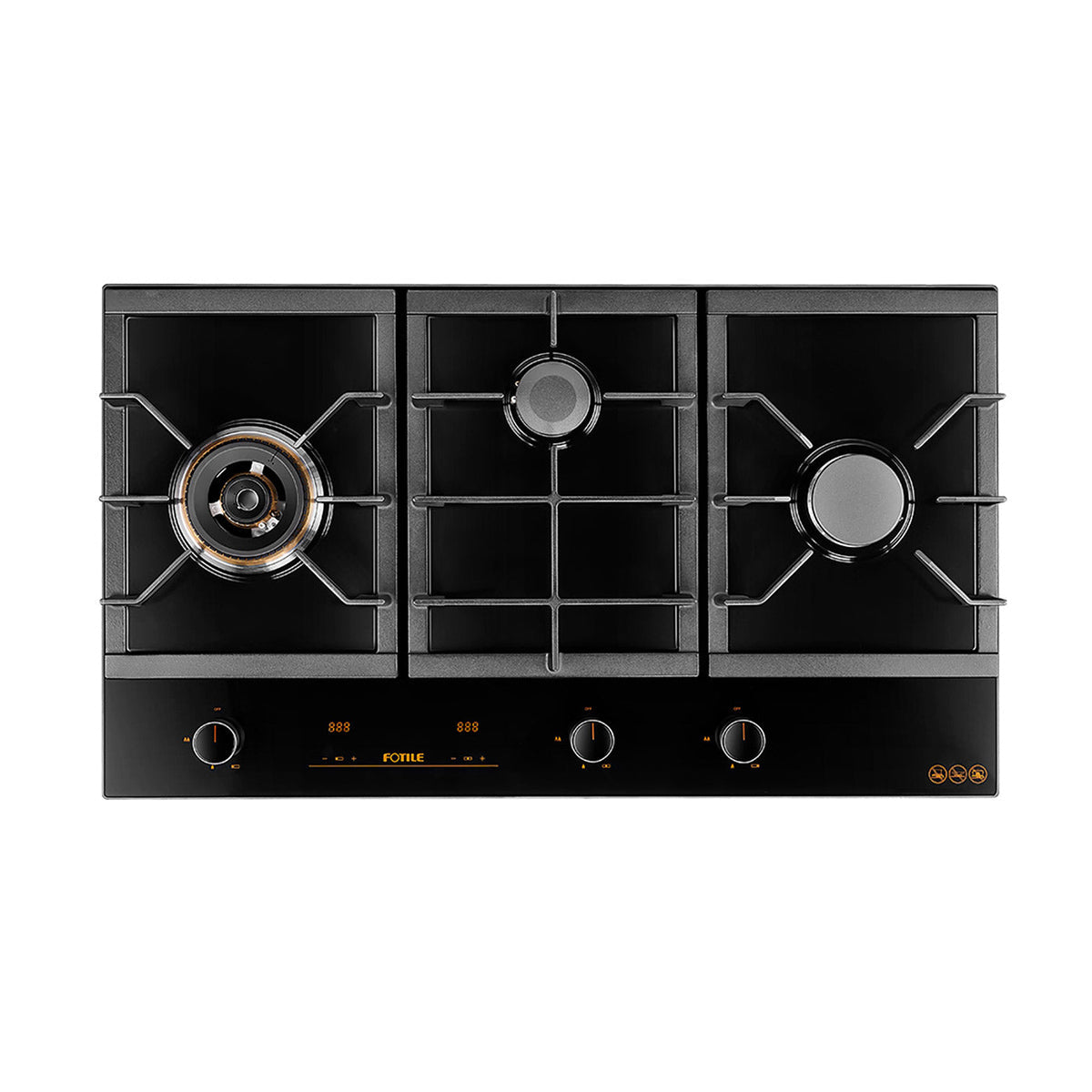
A gas cooktop is one of the most frequently used kitchen appliances in Australian homes. Over time, grease, food residue, and spills can accumulate around the burners, flame ports, and injectors, leading to: Weak or uneven flame Ignition problems Blocked nozzles Reduced cooking efficiency Regular cleaning and proper maintenance are essential to keep your gas cooktop performing at its best. 1. Preparation Before Cleaning Your Gas Cooktop Before starting: Ensure the cooktop is completely cool Turn off the gas supply Prepare the right tools: Mild detergent Soft cloth Soft brush Needle or toothpick Avoid abrasive tools or harsh chemicals to protect the surface. 2. Cleaning the Cooktop Surface The surface collects the most grease and spills. Daily cleaning: Wipe with a soft cloth and mild detergent Rinse with clean water and dry For stubborn grease: Use baking soda with warm water Let it sit, then wipe clean 3. Burner Cleaning: Fix Low or Uneven Flame If your flame becomes weak or uneven, the burner may be blocked. Steps: Remove burner caps Soak in warm soapy water Use a soft brush to clean Clear flame ports with a needle Modern designs like slot-shaped burners help reduce clogging and maintain stable flame performance. 4. Nozzle Cleaning: Prevent Hidden Blockages Nozzles can be affected by spills and grease buildup. Use a fine needle to gently clear blockages Avoid damaging internal components Horizontal nozzle designs help minimise clogging from overflow. 5. Ignition System Maintenance The ignition pin and thermocouple are essential for safe operation. Clean with a soft brush Keep dry and free of residue Dirty components may cause ignition failure or flame outage. 6. Pan Support Cleaning Pan supports accumulate grease and carbon deposits. Light cleaning: wipe with detergent Heavy buildup: soak for 15–30 minutes before brushing Removable pan supports make cleaning easier. 7. Choose an Easy-to-Clean Gas Cooktop To reduce maintenance effort, consider a cooktop with: Tempered glass surface (easy to wipe) Anti-clog burner design Horizontal nozzle system Removable pan supports These features significantly improve long-term usability and cleaning efficiency.

Blog

AI Is Reshaping the Future of Kitchen Appliances — Key Insights from AWE 2026

on Apr 29 2026
The 2026 Appliance & Electronics World Expo (AWE2026) was held in Shanghai in March, with over 1,200 exhibitors showcasing the latest in AI-driven smart living innovations and cutting-edge consumer electronics.  At the opening ceremony China Household Electrical Appliances Association (CHEAA) president Tao Xiaonian highlighted the global surge in innovation across home appliances and consumer electronics, with AWE2026 focused on the theme “Smart AI, Smarter Future”. Artificial Intelligence took centre stage as the key trend across industries, showing how the technology is reshaping product design, user experiences and entire ecosystems and how it is becoming deeply integrated into every aspect of smart living.  From L1 to L5: Smart Kitchens Enter the Autonomous Era Smart kitchen leader Fotile has released an industry whitepaper establishing an autonomy scale for kitchen devices (L1 to L5), mirroring the standards used in the automotive industry. At AWE, Fotile will showcase the world's first integrated robotic kitchen system, featuring humanoid robots. The system uses a "heterogeneous robot matrix," covering a high-precision robotic arm that handles delicate tasks like positioning glassware and loading dishwashers, while a humanoid robot manages complex cooking actions, such as pouring oil, stir-frying, and plating. FOTILE Perspective: Designing the Future Kitchen At FOTILE, we see this transformation not just as a trend — but as a long-term direction. AI is redefining what a kitchen can be:Not just a place to cookBut a space that understands, supports, and elevates everyday living. Looking Ahead: The Future Is Intuitive The next generation of appliances will not just be “smart” — they will be: Adaptive; Predictive; Human-centric. The future kitchen is not about technology for its own sake.It’s about creating effortless, intuitive experiences that fit seamlessly into daily life. Sources:  Appliance Retailer – Al innovations take the spotlight at AWE Citynewsservice – Al Agents, Humanoids and Display lnnovation TakeCenter Stage at AWE

Blog

How to Choose a Range Hood in Australia: Key Considerations for Chinese Cooking

on Mar 24 2026
When purchasing a range hood in Australia, many households encounter the same challenge: with so many brands, styles, and technical specifications available, it can be difficult to determine which model is truly suitable. This is particularly true for households that frequently cook Chinese cuisine. High-heat stir-frying and deep-frying produce significantly more oil fumes and require rapid extraction compared to typical Western cooking. Choosing the wrong range hood—especially in an open-plan kitchen—can quickly lead to cooking odours spreading throughout the entire home. This is why brands specifically designed for Chinese cooking—such as FOTILE—are increasingly becoming the preferred choice among Chinese households in Australia. This guide takes a practical, real-world approach to help you understand how to choose the right range hood in Australia—and why more households are turning to solutions specifically designed for Chinese cooking. 1.Choose the Right Type Based on Your Kitchen Layout In Australia, most homes feature open or semi-open kitchens, which place greater demands on smoke control. Before making a purchase, consider: Is your kitchen open-plan?Do you frequently stir-fry or deep-fry?Do you want the range hood to integrate seamlessly with your cabinetry? For many households, especially those who cook Chinese cuisine regularly, slim built-in or concealed range hoods are often the best choice. These designs help contain smoke near the cooking area while maintaining a clean, modern aesthetic. 2. Look Beyond “Suction Power”: Smoke Capture and Extraction Efficiency Are Key Many buyers focus primarily on airflow or suction ratings. However, for Chinese cooking, what truly matters is whether the range hood can capture and remove smoke instantly at the moment it is generated. Range hoods designed for lighter, Western-style cooking may perform adequately for simple tasks, but during high-heat stir-frying, they often struggle. Common issues include: Smoke rising directly toward the faceOdours spreading throughout the homeInconsistent extraction performanceReduced effectiveness under changing duct conditions FOTILE range hoods are specifically engineered for these scenarios, offering: Smoke Capture Ability Can the hood quickly contain smoke near the cooking surface? Advanced designs, such as surround suction systems, create a negative pressure zone around the cooktop, capturing fumes before they have a chance to disperse. Extraction Efficiency Is airflow smooth and consistent throughout the entire extraction process? High-performance systems typically combine powerful motors with optimised internal airflow design, allowing smoke to be expelled quickly and efficiently. Adaptability to Duct Conditions Can the system maintain performance under different installation conditions? Intelligent pressure adjustment features help ensure stable operation, even with long ducting, multiple bends, or external environmental factors such as strong winds. 3. Practical Smart Features Matter More Than Complexity While modern range hoods come with an increasing number of features, practicality should always come first. Key considerations include: Is gesture control responsive—even with oily hands?Is the interface intuitive and easy for all users? For most households, ease of use is far more valuable than excessive functionality. Well-designed systems focus on improving everyday convenience, such as: Hands-free gesture controls for simple operation Clear and intuitive touch panels for effortless use 4. Long-Term Comfort: Noise Levels and Ease of Cleaning As a frequently used appliance, a range hood should offer a comfortable and hassle-free daily experience. When comparing models, pay close attention to: Noise levels during operationEase of removing and cleaning filters or oil collectorsOverall maintenance requirements High-quality designs often incorporate advanced noise reduction technologies, ensuring powerful performance without excessive sound. In terms of cleaning, features such as easily removable oil cups and accessible components can significantly reduce maintenance effort and improve long-term usability. 5. Buying a Range Hood in Australia: Reliability and Support Matter A range hood is a long-term investment, often expected to last many years. As such, product reliability and after-sales support are essential considerations. When choosing a brand, look for: Local installation and after-sales service Comprehensive warranty coverage Proven long-term performance Brands that specialise in high-performance kitchen appliances—particularly those designed with Chinese cooking in mind—tend to offer a more suitable and reliable solution for these needs. Example: EMG9060 Range Hood If you are looking for a range hood that combines sleek design, built-in compatibility, and strong performance for high-heat cooking, the EMG9060 is a compelling option. Key features include: Powerful Extraction: High static pressure (up to 1130Pa) ensures stable performance across various ducting conditions Enhanced Suction: Airflow up to 1280 m³/h, with a dedicated “stir-fry mode” for rapid smoke removal Low Noise Operation: Advanced airflow and motor design reduce vibration and operating noise, achieving levels as low as 37dB Smart Controls: Gesture activation and an intuitive touch interface for effortless operation Easy Maintenance: Integrated, easy-to-clean design with minimal hard-to-reach areas Air Management Function: Continuous air monitoring to help maintain a fresh kitchen environment Final Thoughts For households in Australia looking for a high-suction range hood that also complements modern kitchen design, models like the EMG9060 offer a well-balanced solution. Designed to integrate seamlessly with standard cabinetry and perform reliably under high-heat cooking conditions, they are particularly well suited to Chinese-style kitchens. Brands like FOTILE, which focus on Chinese cooking performance, are often better suited than general-purpose range hoods. If you are selecting a range hood, it’s worth comparing different models and choosing one that aligns with your cooking habits and kitchen layout. For more information, consider reaching out for professional advice or product support.

Blog

Gas Cooktop Buying Guide in Australia: Why Heat Output and Flame Design Matter Most

on Mar 20 2026
When choosing a gas cooktop in Australia, many households find themselves asking:Is a three-burner cooktop enough, or is a five-burner model more practical? Beyond the number of burners, what really matters? For households that frequently cook Chinese cuisine, the key factor is not the number of burners—it’s whether the heat output and flame structure are truly suitable for high-heat stir-frying. If you’re in Melbourne, Sydney, Brisbane, Adelaide, or Perth and looking for a cooktop suited to Chinese cooking, this guide will walk you through the decision-making process with a practical, real-world approach. 1.Three Burners vs Five Burners: Choose What Fits Your Needs For Most Households, Three Burners Are More Than Enough In everyday cooking, most families typically use: One high-power burner for stir-frying One medium burner for simmering soups or stews One low burner for reheating or simple tasks For this reason, a three-burner cooktop is sufficient for most households. Whether it’s a 60cm or 90cm cooktop, the layout is generally well-spaced to accommodate different cookware sizes without crowding. Five Burners Suit Larger Kitchens and Entertaining If you have a spacious kitchen or frequently cook for large groups, a 90cm five-burner cooktop offers greater efficiency—allowing multiple dishes to be prepared simultaneously without feeling rushed. 2. The Foundation of Stir-Fry Cooking: Is the Heat Powerful Enough? Many gas cooktops in Australia are designed for Western cooking styles, which typically involve lower, more controlled heat. However, authentic Chinese stir-frying requires that signature “wok hei”—the instant sizzle when ingredients hit a very hot pan. To achieve this, focus on: High Heat Output Look for powerful burners, such as 23MJ triple-ring burners, capable of delivering intense heat instantly. High Thermal Efficiency Australian standards require a minimum thermal efficiency of 40%, but Fotile cooktops exceed 48%. This means: More heat is transferred directly to the cookware Less energy is wasted Cooking is faster and more cost-efficient Tip: Higher thermal efficiency means more gas is converted into usable cooking heat—saving both time and energy. In short: A powerful cooktop isn’t just about visible flame size—it’s about strong, efficient heat delivery. 3. Beyond Power: Flame Structure Is Equally Important While most people check heat output (MJ rating), real cooking performance also depends on flame quality. Common issues with poor flame design include: Uneven heating → undercooked or overcooked food Unstable low heat → flames that easily go out A well-designed cooktop should offer: Even Flame Distribution Fotile’s triple-ring flame design ensures heat is distributed evenly across the base of the pan, preventing hotspots and ensuring consistent cooking results. Wide Heat Adjustment Range From intense high heat for stir-frying to stable low heat for simmering, precise control is essential for versatile cooking. For Australian households, the ideal cooktop combines strong heat output with stable, adjustable flame control to suit a wide range of cooking techniques. 4. Safety and Cleaning: Small Details That Matter Over Time Since gas cooktops are used daily and involve open flames, safety and ease of maintenance are critical. Key features to look for: Timer functionality Flame failure protection Child safety locks Durable and easy-to-clean surfaces Burner designs resistant to clogging Spill management systems Fotile’s triple-ring cooktop series incorporates: 0–180 minute timer for long cooking tasks, with automatic shut-off Flame failure protection on all burners Automatic gas shut-off after extended operation (e.g., 4 hours) Push-and-turn ignition knobs to prevent accidental activation Tempered glass surfaces for easy cleaning Horizontal burner ports that resist blockage from spills Large stepped spill trays to contain overflow and simplify cleaning 5. Why More Australian Chinese Households Choose Fotile Cooktops The reason is simple: Chinese cooking demands more from a cooktop—especially for high-heat stir-frying. Fotile cooktops are designed specifically for these needs: Powerful Heat: 23MJ triple-ring burners deliver rapid, high-temperature cooking Stable Control: Wide heat adjustment for both high-heat and low-heat cooking Enhanced Safety: Multi-layer safety design for reliable operation Easy Maintenance: Thoughtful design minimizes grease buildup and simplifies cleaning This combination makes them especially suitable for households that prioritize authentic wok cooking. 6. Model Recommendations For smaller kitchens: GLG60305, GLG60305-Y For larger kitchens: GLG90305, GLG90305-Y, GLG90505 Different models are designed to suit various kitchen sizes and installation requirements. It’s recommended to measure your countertop cut-out dimensions and confirm your gas type before making a selection. Final Thoughts If you’re in Melbourne, Sydney, Brisbane, Adelaide, or Perth and looking for a gas cooktop suited to Chinese cooking, it’s worth prioritizing models specifically designed for high-heat performance and optimized flame structure. Fotile cooktops stand out as a reliable option, offering the power, control, and practicality needed for authentic Chinese cooking in Australian homes.